

Shade


A shade net is a type of mesh fabric used to provide shade and reduce the intensity of sunlight. It’s commonly used in gardening, agriculture, landscaping, and construction to protect plants, animals, and even structures from excessive sun exposure or heat. Shade nets can be made from various materials like polyethylene or polypropylene and come in different shade percentages (e.g., 30%, 50%, 80%) depending on how much sunlight needs to be filtered out.
They’re often used for:
1: Agriculture: Protecting crops like vegetables, fruits, and flowers from sunburn and helping regulate temperature.
2: Greenhouses: Preventing overheating while still allowing light for photosynthesis.
3: Outdoor spaces: Creating shaded areas in gardens or patios for comfort and reducing UV exposure.
4: Animal care: Offering shade for livestock or poultry to help them stay cool.
Agriculture Shade Net
Agricultural shade nets are especially useful for creating controlled environments that protect crops from harsh weather conditions, ensuring better yields and healthier plants. They’re used to manage light intensity, temperature, and humidity in fields, orchards, and greenhouses.
Here are some specific benefits of agricultural shade nets:
1: Temperature Control
Shade nets help regulate temperatures by blocking out a percentage of the sun’s rays, preventing crops from getting overheated during the hottest part of the day.
This is especially beneficial in regions with extreme temperatures, where excessive heat can damage crops.
2: Preventing Sunburn
Some plants are sensitive to intense sunlight, which can cause sunburn, especially in crops like tomatoes, cucumbers, and leafy greens. A shade net reduces direct exposure to the sun, keeping the crops safe.
3: Enhanced Growth
By reducing the intensity of sunlight, shade nets promote healthy growth in plants that thrive in slightly lower light conditions, such as lettuce, spinach, and herbs.
Certain plants also grow better when the light is diffused, as the indirect light can encourage stronger, more uniform growth.
4: UV Protection
Shade nets can block harmful ultraviolet (UV) rays that could damage plants or cause them to dehydrate.
This protection is also helpful in preventing diseases and pests that thrive under intense sun exposure.
5: Wind & Hail Protection
In addition to sunlight control, shade nets can act as a barrier against strong winds and hail, preventing physical damage to crops.
6: Water Conservation
Shade nets reduce the rate of evaporation, keeping the soil moisture intact. This can lead to less frequent watering, saving water and reducing irrigation costs.
7: Pest & Insect Control
Some shade nets are designed to also act as a physical barrier to pests and insects, preventing them from reaching the crops.
8: Economic and Environmental Benefits
Reduced need for chemical pest control and less water consumption, which is beneficial for the environment.
The initial investment in shade nets can lead to higher yields and better-quality crops in the long run.
Types of Shade Nets for Agriculture
1: Black Nets:
Typically the most common type. They block sunlight effectively and provide a solid shade level.
Best for areas with high sunlight intensity or crops that require heavy shade (i.e. leafy vegetables).
2: Green Nets:
Less intense than black nets, and they allow for slightly higher light transmission.
Often used in regions with moderate sun exposure.
3: White Nets:
Provide a more diffuse light that is evenly distributed across plants.
Ideal for crops that need indirect light for more uniform growth.
4: Colored Nets (Other than i.e. black, green, and white):
Some nets come in different colors like red or blue, which can have specific effects on plant growth. For example, red nets can promote flowering, while blue nets might encourage leafy growth.
Shade Net Percentages:
30% : Offers minimal shading. Suitable for crops that require full sun but need some protection from intense heat.
50% : Medium shading, perfect for plants like tomatoes, peppers, and lettuce that need moderate protection.
70% and 80% : More intense shading, ideal for crops that are sensitive to high temperatures or direct sun exposure, such as young seedlings, leafy greens, and shade-loving plants.
Things to Consider:
Climate: The amount of shade you need depends on the local climate and your crops’ tolerance to heat and sunlight.
Crop Type: Different plants have different shade requirements. For example, fruiting plants like tomatoes may require less shade, while leafy vegetables like spinach or lettuce may require more.
Installation: Shade nets are typically installed on frames, over greenhouses, or across open fields. Ensure that the nets are securely anchored to prevent them from being blown away by wind.

Greenhouse Shade Net
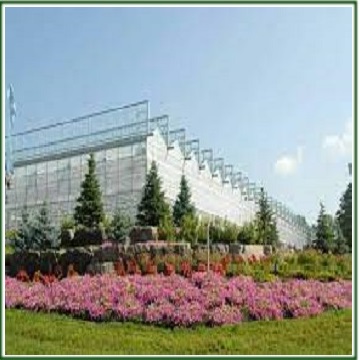
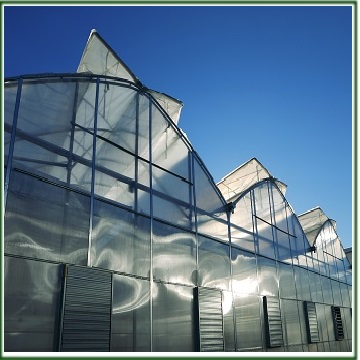
A greenhouse shade net is a type of fabric that’s used to provide partial shading inside a greenhouse or outdoor farming area. It’s typically made from materials like polyethylene, polyester, or nylon and comes in various shading percentages, usually ranging from 30% to 90% or more.
Key functions of greenhouse shade nets include:
1: Temperature Regulation: The net helps reduce the amount of direct sunlight reaching the plants, which in turn lowers the temperature inside the greenhouse and prevents overheating.
2: UV Protection: It protects plants from harmful ultraviolet (UV) rays that can damage plant tissues, especially for sensitive crops.
3: Moisture Retention: By reducing excessive sunlight, the shade net can help retain moisture in the soil, which is beneficial in hot or dry climates.
4: Wind and Dust Protection: It can also provide a barrier against strong winds or dust storms, which might damage plants or reduce air quality inside the greenhouse.
5: Growth Optimization: Different crops have different light requirements, so choosing the right shading level (percentage) helps optimize plant growth by providing the right amount of light for photosynthesis.
If you’re looking for a shade net for an outdoor space, it serves many of the same purposes as a greenhouse shade net but is specifically suited for use in open-air environments like gardens, patios, pergolas, or even over a pool. The primary goal is to provide protection from excessive sun, wind, and other environmental elements.
Here are some key considerations when choosing and using a <strong>shade net for an outdoor space:
1: Shade Percentage
The amount of sunlight the net blocks is one of the most important factors:
30% to 50%: Suitable for areas where you still want plenty of sunlight (like a garden or outdoor seating area).
50% to 70% : Good for areas where you need more protection, i.e. a patio, deck, or pool area.
70% to 90% : Ideal for places where you want maximum sun protection, like over a vegetable garden or a hot area of the yard.
2: Material Types
Shade nets come in different materials, each with distinct advantages:
Polyethylene (PE): Lightweight, UV-resistant, and durable, commonly used for outdoor spaces.
Polypropylene (PP): Slightly more durable than PE and offers a longer lifespan under intense sunlight.
HDPE (High-Density Polyethylene): Highly durable and UV resistant, ideal for long-term outdoor use.
Nylon: Strong but more susceptible to UV degradation over time compared to other materials.
3: Durability & UV Protection
Outdoor shade nets are usually treated to resist UV rays, so look for products with UV stabilization to ensure the net doesn’t degrade too quickly in the sun. The better the UV protection, the longer it will last.
4: Mesh Size and Airflow
The mesh size (the size of the holes in the net) affects airflow and cooling. Larger holes allow more airflow and are great for hot climates, while smaller holes might be better for dust control but could limit airflow slightly.

Outdoor Space
Shade nets for outdoor spaces can be installed in various ways:
Ropes or cables: Tied around trees, pergolas, or posts.
Tensioned frames: For more permanent installations, you can stretch the net between frames.
Pole-mounted systems: Freestanding poles can support the net and create shade for larger areas.
Custom Sizes and Colors
Shade nets come in different sizes, and you can often get them custom-made to fit your specific outdoor area. You can also find them in various colors (i.e. green, black, beige, etc.) depending on the aesthetic you want.
Common Uses for Outdoor Shade Nets:
Gardens: Protecting sensitive plants from intense sunlight, especially in hot climates.
Outdoor seating areas: Providing shade for patios, decks, and outdoor dining areas.
Pools: Offering relief from the sun and keeping the pool area cooler.
Children’s Play Areas: Ensuring that kids can play outside without excessive sun exposure.

Animal Care Shade Net
An Animal Care Shade Net is typically used to provide shade and protection for animals, especially in areas where high temperatures or intense sunlight can cause discomfort or health problems i.e. livestock, pets, or wild animals. These nets are commonly used in farms, animal shelters, zoos, and pet care facilities. They can help reduce the risks of heat stress, dehydration, and sunburn for the animals under care.
Here are some benefits and considerations for using an animal care shade net:
Benefits:
1: Temperature Control:
Reduces the overall temperature in outdoor enclosures, creating a cooler environment for animals.
Helps prevent heat-related issues like heat stroke, especially for animals with thick fur or those unaccustomed to extreme heat.
2: Protection from UV Rays:
The netting blocks harmful UV rays, which can damage an animal’s skin, causing sunburn or other health problems.
3: Improved Comfort:
Provides shaded areas for animals to rest comfortably, reducing stress levels and encouraging natural behaviors.
4: Enhanced Safety:
Some shade nets are designed to be strong and durable, with features like UV resistance and tear resistance, ensuring that the netting won’t easily break or become a safety hazard.
5: Rain Protection:
Certain nets may also provide protection from light rain or moisture, keeping the animals dry in certain weather conditions.
6: Versatility:
Shade nets come in different colors and densities, allowing for customization based on the level of shade needed and the specific environment.
Considerations:
1: Material Quality:
Look for high-quality materials like polyethylene or polypropylene that are UV-stabilized for long-lasting use.
2: Ventilation:
Ensure the netting allows for proper air circulation so the animals can stay cool and not feel trapped in a stuffy environment.
3: Size and Coverage:
The size of the netting should be sufficient to cover the animals’ resting or roaming areas, providing ample shade during peak sunlight hours.
4: Installation:
Shade nets should be securely installed to avoid any risks of them being blown away by wind or damaged by other elements.